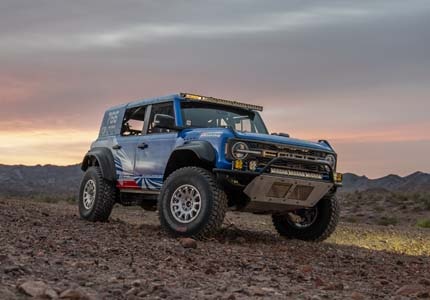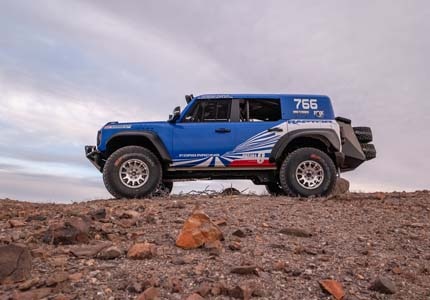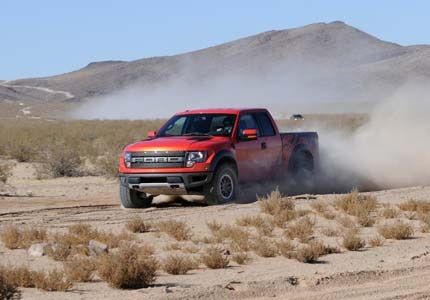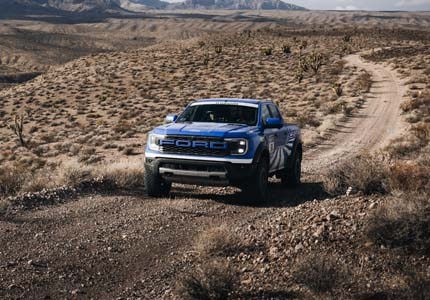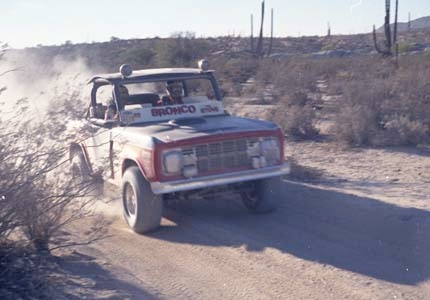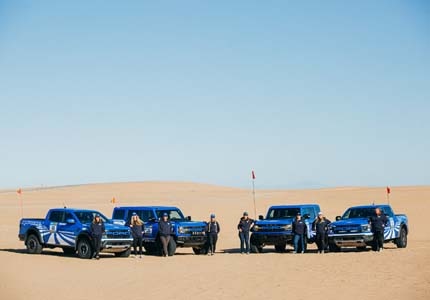

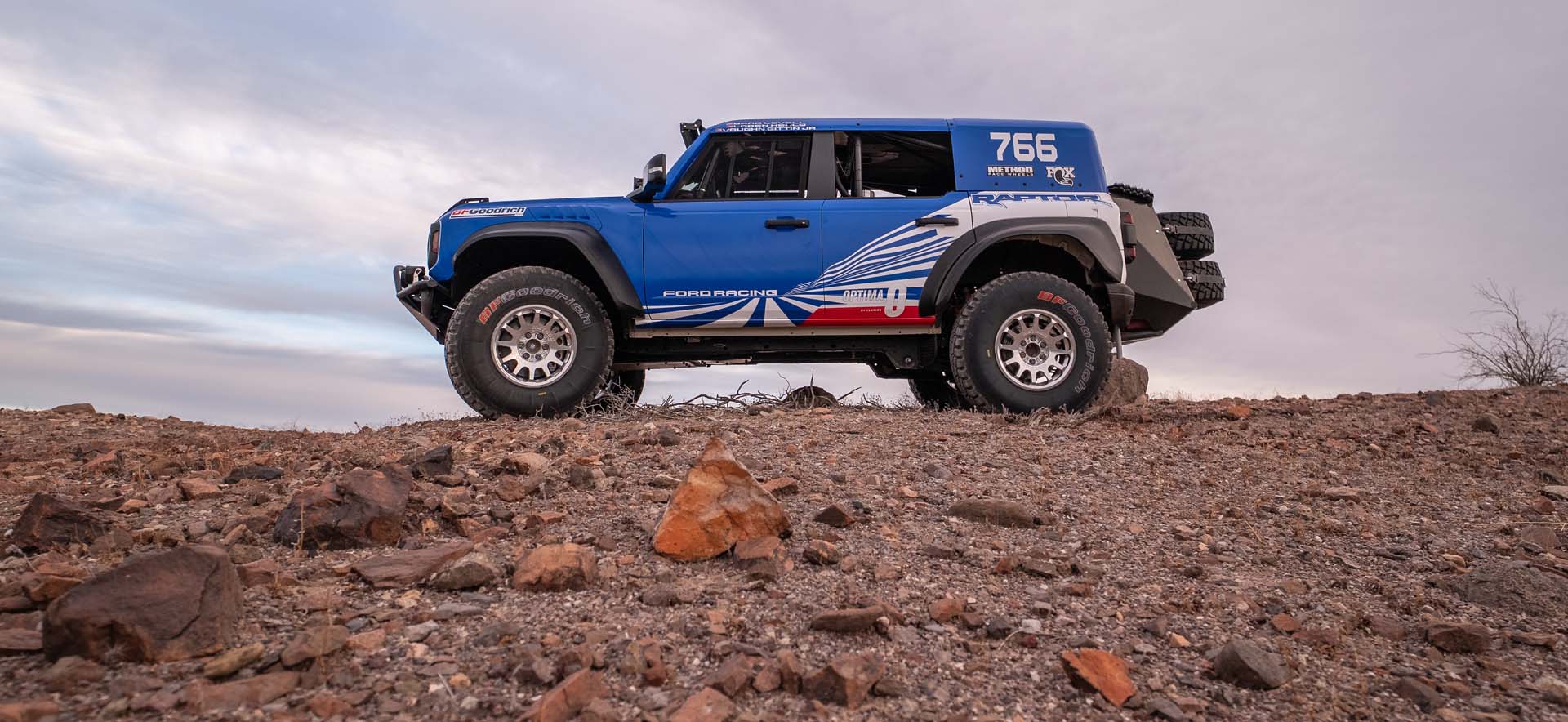
Heat builds over long stretches at race pace. Dust accumulates in the air filter. Repeated hits put the suspension through its full travel. Those demands, learned through years of racing Baja, shaped Ford Racing’s preparation of the No. 766 Ford Bronco Raptor that Brad Lovell, Loren Healy and Vaughn Gittin Jr. will share in the Stock Full-Size class at the 2026 SCORE Baja 1000.
The race vehicle retains two defining elements of the production Bronco Raptor. Its power comes from a production-based 3.0-liter EcoBoost V6, and its suspension uses production FOX Live-Valve shocks. For Baja, engineers focused on how those systems perform over the duration of the race, with particular attention to cooling, air filtration and the way the chassis absorbs repeated impacts.
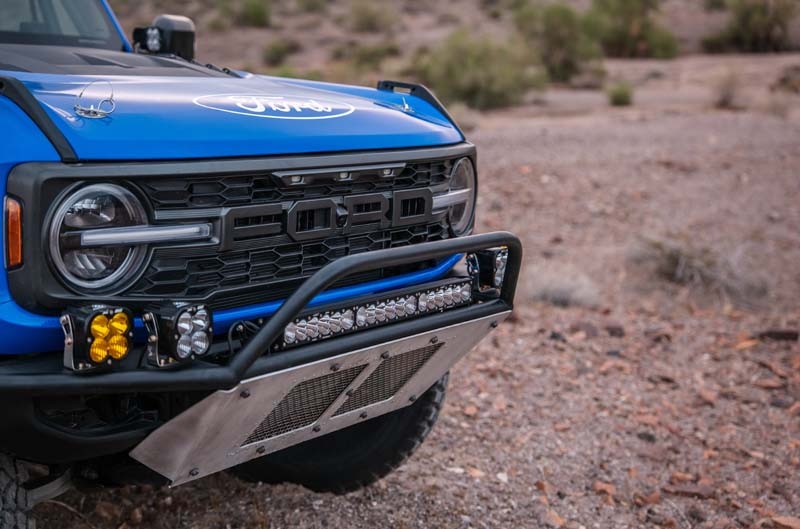
Under the hood, the V6 runs a Ford Racing Parts engine calibration. An upgraded cooling system helps manage engine temperatures under sustained load. That work extends to the front of the Bronco, where a low-profile light bar improves airflow to the radiator. Engineers also revised the intake to give clean air a more direct path to the engine and increased filtration capacity to roughly three to four times that of the production setup.
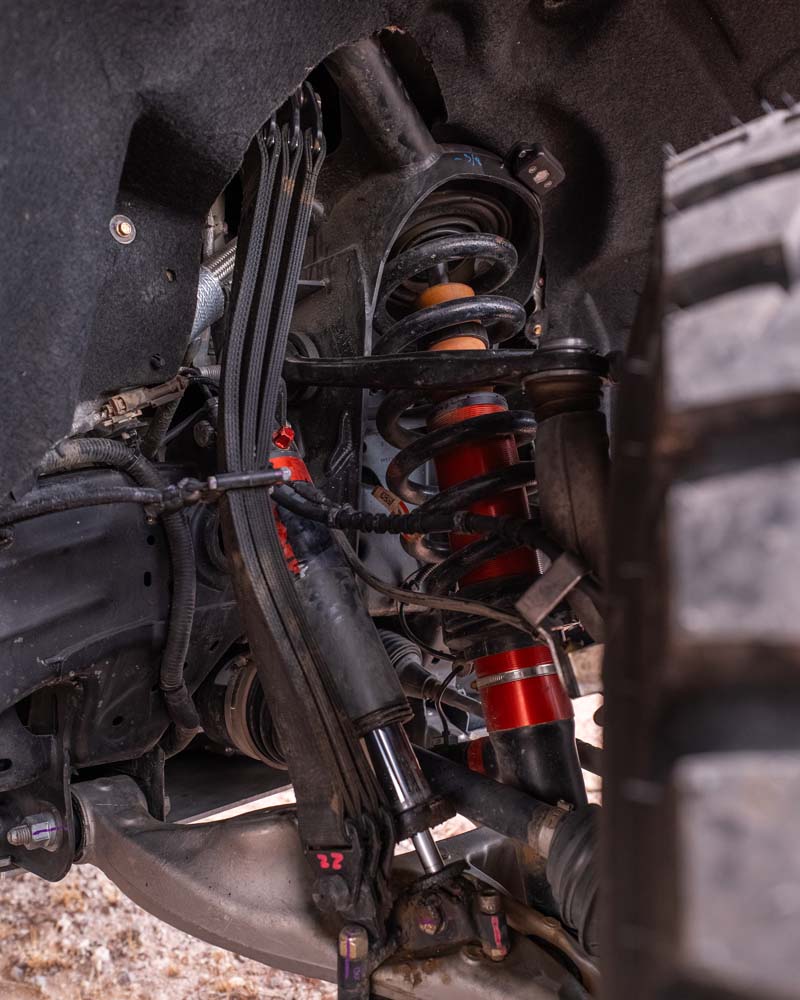
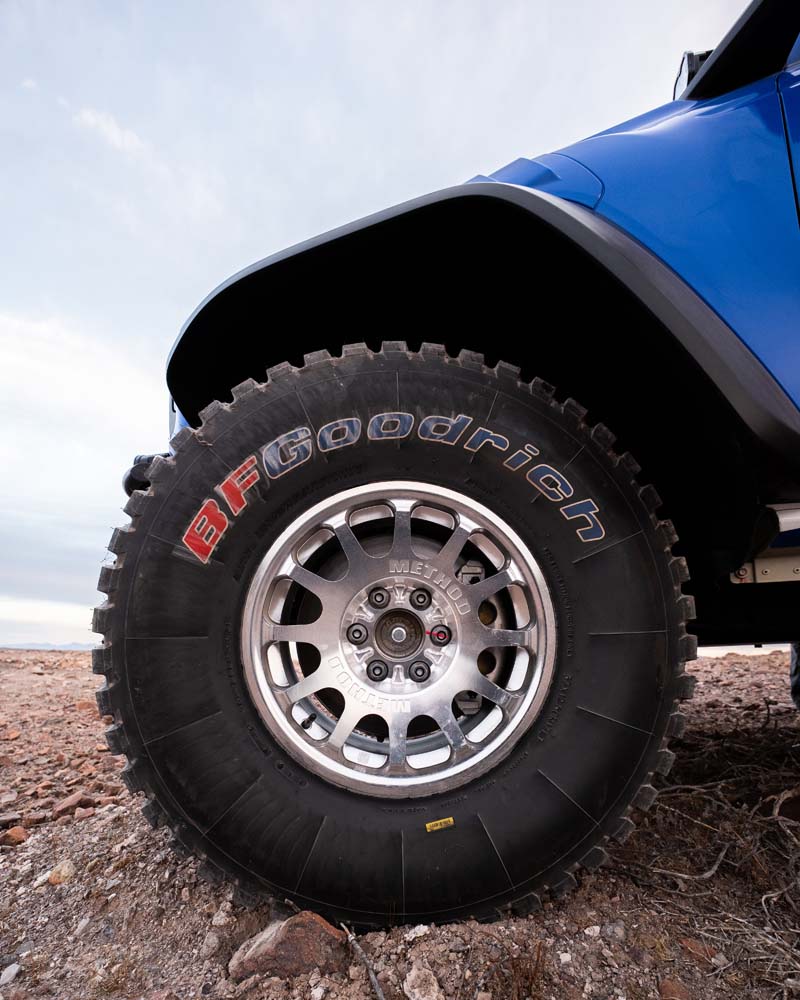
At the limits of suspension travel, front and rear bump stops work with the FOX shocks to soften hard impacts through the chassis. The changes help protect suspension components and keep the 37-inch BFGoodrich KDR3 competition tires in contact with uneven terrain. The tires are mounted on Method 207 forged Bead Grip wheels.
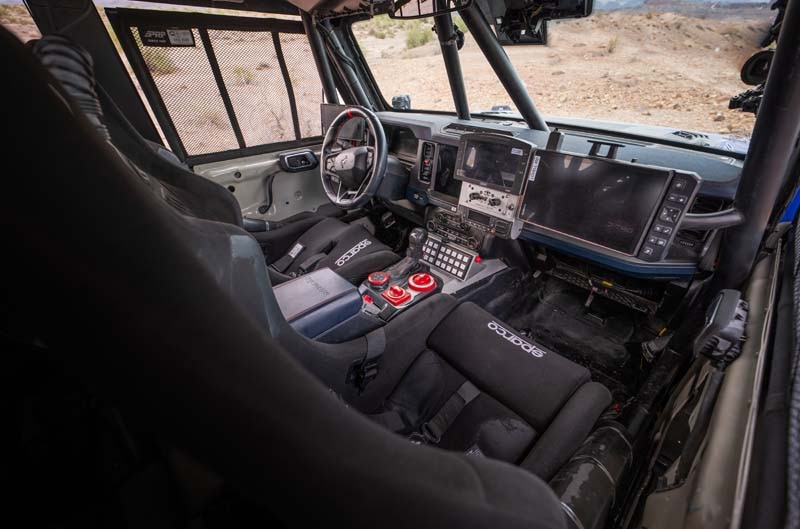
The Bronco’s familiar profile carries through to a carbon-fiber roof shaped to shed water and protect the occupants, electronics and telemetry equipment. Beneath it, a revised SCORE-compliant roll cage makes better use of the available cabin space.
The No. 766 will also race with developmental chassis calibrations that Ford Racing engineers will evaluate for future production Raptors. Baja gives the team an opportunity to study how the Bronco responds when one hard compression follows another, with hours of racing still ahead. What engineers learn about suspension control, cooling and durability will help guide development of the Raptors customers drive.
For the First Time, the Baja 1000 Starts and FInishes in San José del Cabo
Twice in the history of the Baja 1000, racers have driven the length of the peninsula to reach the checkered flag in Cabo San Lucas. This November, the race returns to Los Cabos with a different journey in store. On Friday, November 13, the field will leave Avenida Centenario in neighboring San José del Cabo and head north. Nearly 1,000 miles later, the racers will return to that same street. It’s the first time San José del Cabo will host both ends of the race, and the entire 59th edition will run within the Mexican state of Baja California Sur.
The loop takes in both sides of the peninsula. From the East Cape, the course works north past La Paz and into the Sierra de la Giganta near San Javier. One of its most distinctive stretches comes in Loreto, where racers ease down to 37 mph along the malecón, the town’s waterfront promenade on the Sea of Cortez. From there, the route swings inland through the washes of San José de Comondú before turning south on the Pacific side. Beyond Pescadero, the field picks up the San José wash for the final 15 miles home. Teams have 40 hours to make it back.
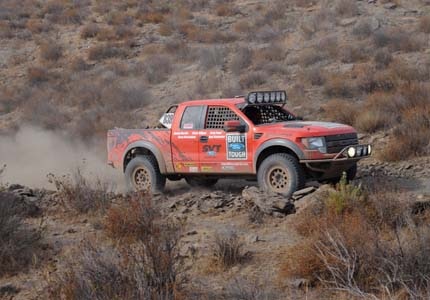
For Ford Racing, there’s history at this end of the peninsula, too. When the Baja 1000 first finished in Cabo San Lucas in 2000, Dan Smith and Dave Ashley drove a Ford truck to the overall four-wheel win. Twenty-six years later, the No. 766 Bronco Raptor will chase a Stock Full-Size class victory in Los Cabos. This time, the fans who see it leave the line in San José del Cabo can come back to the same spot to welcome it home.